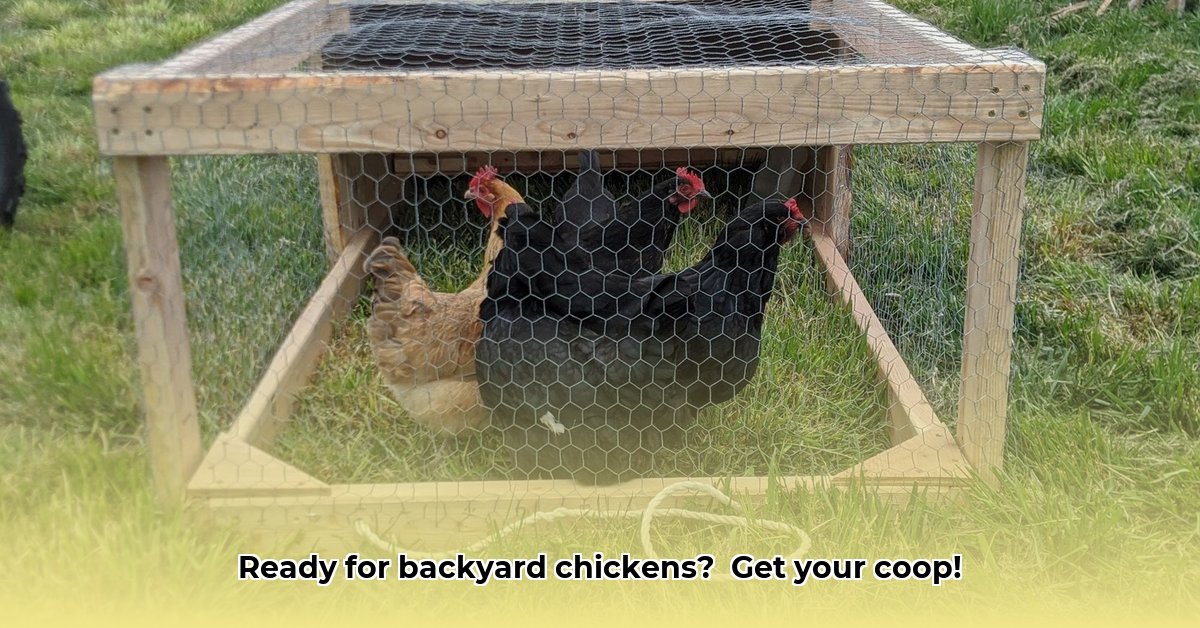
Dreaming of fresh eggs and the cheerful sounds of clucking hens in your own backyard? A Tractor Supply chicken coop kit can make this dream a reality, even if you're a complete beginner. This guide will walk you through choosing the right coop, assembling it, and caring for your flock, ensuring a successful and rewarding backyard poultry experience. For more advanced coop building projects, check out this helpful resource: coop building plans.
Choosing Your Perfect Tractor Supply Chicken Coop: A Size and Style Guide
The first step to happy chickens is choosing a suitable coop. Consider these key factors:
- Number of Chickens: How many hens do you plan to keep? Coop size directly correlates to flock size. Larger coops allow for future expansion.
- Budget: Tractor Supply offers a range of prices. A slightly more expensive, better-built coop might save money in the long run.
- Space: How much yard space do you have available? Ensure the coop and run fit comfortably without overcrowding.
- Climate: Consider your local climate. Some materials weather harsh winters better than others. A well-insulated coop is a must in colder regions.
Tractor Supply's website ([1]: https://www.tractorsupply.com/tsc/category/chicken-coops-and-runs-poultry-supplies) offers various kits; however, this guide uses hypothetical examples for clarity. Always check Tractor Supply's current offerings and customer reviews before purchasing.
Hypothetical Coop A: The "Cozy Cottage"
- Pros: Budget-friendly, simpler assembly, suitable for 2-4 chickens.
- Cons: Limited expansion potential, basic predator protection, may not be ideal for harsh climates.
Hypothetical Coop B: The "Deluxe Aviary"
- Pros: Spacious, sturdy construction, excellent predator protection (reinforced wire mesh), suitable for 6-8 chickens, better weather resistance.
- Cons: Higher cost, more complex assembly.
Remember to carefully review the specifications and customer reviews for any Tractor Supply coop kit before purchasing. Isn't it crucial to find a coop that balances your budget with your flock's needs and local environmental factors?
Assembling Your Chicken Coop: A Step-by-Step Guide
Building your coop is rewarding! Follow these steps for a successful build:
Site Selection: Choose a location with partial sun and shade, good drainage, and protection from prevailing winds. Consider proximity to a water source. Did you know that proper site selection accounts for up to 70% of coop success regarding predator protection?
Preparation: Clear the area, level the ground, and add a gravel base for drainage. Read the assembly instructions thoroughly before starting.
Assembly: Follow the instructions carefully. Take your time. If you encounter difficulties, consult online resources or seek help from experienced chicken keepers.
Predator-Proofing: Secure all latches and doors. Inspect for any potential weaknesses. Bury hardware cloth or chicken wire around the base to deter digging predators.
Finishing Touches: Install nesting boxes, roosting bars, and feeders. A well-designed coop can significantly reduce stress on your flock, leading to higher egg production and healthier birds.
Coop Care: Maintaining a Healthy Environment
Regular maintenance is vital for a healthy flock and a long-lasting coop.
- Cleaning: Remove droppings regularly to prevent disease and odors. A deep clean every few months is recommended.
- Ventilation: Adequate airflow prevents moisture and ammonia buildup. Adjust vents as needed to optimize airflow.
- Pest Control: Use natural methods like diatomaceous earth to control insects.
- Winterizing: Insulate the coop in colder months to keep your chickens warm and comfortable.
Chicken Care 101: From Chicks to Chores
A great coop is only half the battle. Proper chicken care is equally vital:
- Breed Selection: Research breeds suitable for your climate and egg-laying preferences.
- Feeding: Provide a balanced diet of commercial layer feed supplemented with occasional treats.
- Watering: Always ensure access to fresh, clean water.
- Health Monitoring: Regularly check for signs of illness. Consult an avian veterinarian if needed. Early detection of illness is key to preventing widespread problems within your flock.
Troubleshooting Common Issues
Despite your best efforts, problems might arise.
- Predator Attacks: Reinforce coop security, use motion-activated lights, and consider additional protective measures.
- Disease Outbreaks: Maintain cleanliness, quarantine new birds, and consult a veterinarian for diagnosis and treatment. Are you aware that maintaining a clean coop significantly reduces the risk of disease outbreaks?
Conclusion
Raising backyard chickens is incredibly rewarding. A Tractor Supply chicken coop kit provides a terrific starting point for your journey. With careful planning, proper maintenance, and attentive care, you’ll soon enjoy the pleasure of fresh eggs and the company of your feathered friends. Remember to utilize online resources and connect with local poultry-keeping communities for even more support.
Your Chickens’ Dream Home
A chicken coop is far more than just a simple box; it’s the sanctuary, the safe haven, and the command center for your feathered friends. Providing essential shelter from the elements, a secure coop shields your flock from scorching sun, heavy rains, and frosty winds, ensuring their comfort and well-being. But beyond mere protection, it’s also where your hens lay their precious eggs, where they roost peacefully through the night, and where they feel safe from the numerous threats that lurk in the wild. Investing time and thought into your coop’s design is truly investing in the health, happiness, and productivity of your backyard chickens.
When considering or constructing a chicken coop, several critical factors come into play. Adequate space is paramount, as overcrowding can lead to stress and health issues, so aim for at least three to four square feet per bird inside the coop. Proper ventilation is equally crucial to prevent respiratory problems, while secure latches and sturdy construction are your first line of defense against cunning predators. Don’t forget the essentials: comfortable nesting boxes for egg-laying, sturdy roosting bars for nighttime slumber, and easy access for cleaning and egg collection. A well-designed coop isn’t just a structure; it’s a carefully considered environment that will serve both you and your flock for years to come.